Basics
Five principles for understanding dialysis
How diffusion, osmosis, convection, and ultrafiltration work during haemodialysis.
The overall idea before we begin
Haemodialysis replaces part of the kidneys’ excretory and regulatory work. It removes selected uraemic toxins and helps control water, electrolytes, and acid–base balance. It does not reproduce all endocrine functions of healthy kidneys, does not provide the continuous clearance of natural kidney function, and does not abolish cardiovascular risk. [2,3]
In a modern dialyser, blood flows inside thousands of hollow fibres while dialysate flows outside them. A selectively permeable membrane separates the two streams: water and eligible solutes can cross, while blood cells and most large proteins are retained.
Mass transfer in haemodialysis is governed mainly by two mechanisms: diffusion and convection. Ultrafiltration is the movement of water that creates convective transport; osmosis is a related explanatory concept; and haemodiafiltration is a treatment technique that combines diffusive and convective transport. [3–5]
Core terminology: dialysis; haemodialysis; diffusion; convection; filtration; ultrafiltration; haemodiafiltration; and solute.
Important terminological correction: the fifth item is not an independent physical force. Haemodiafiltration (HDF) is a treatment modality that combines diffusion and convection while replacing the filtered fluid.
Map of the five principles
| Concept | Driving force | What moves? | Clinical role |
|---|---|---|---|
| Diffusion | Concentration or chemical-potential gradient | Solutes | Removal of small molecules and correction of electrolytes and bicarbonate |
| Ultrafiltration | Pressure difference across the membrane | Mainly water | Achieving the prescribed net fluid removal |
| Osmosis | Effective osmotic gradient | Water | Important for understanding water shifts; not the controlled fluid-removal mechanism in HD |
| Convection | Bulk water flow across the membrane | Water plus eligible solutes carried with it | Enhances removal of middle molecules when membrane permeability allows |
| Haemodiafiltration | Diffusion + convection with substitution fluid | A broader spectrum of solutes | A treatment modality, not a separate transport mechanism |
Main sources for the table: reviews of mass-transfer mechanisms and dialysis membranes. [3–6]
Principle 1: diffusion
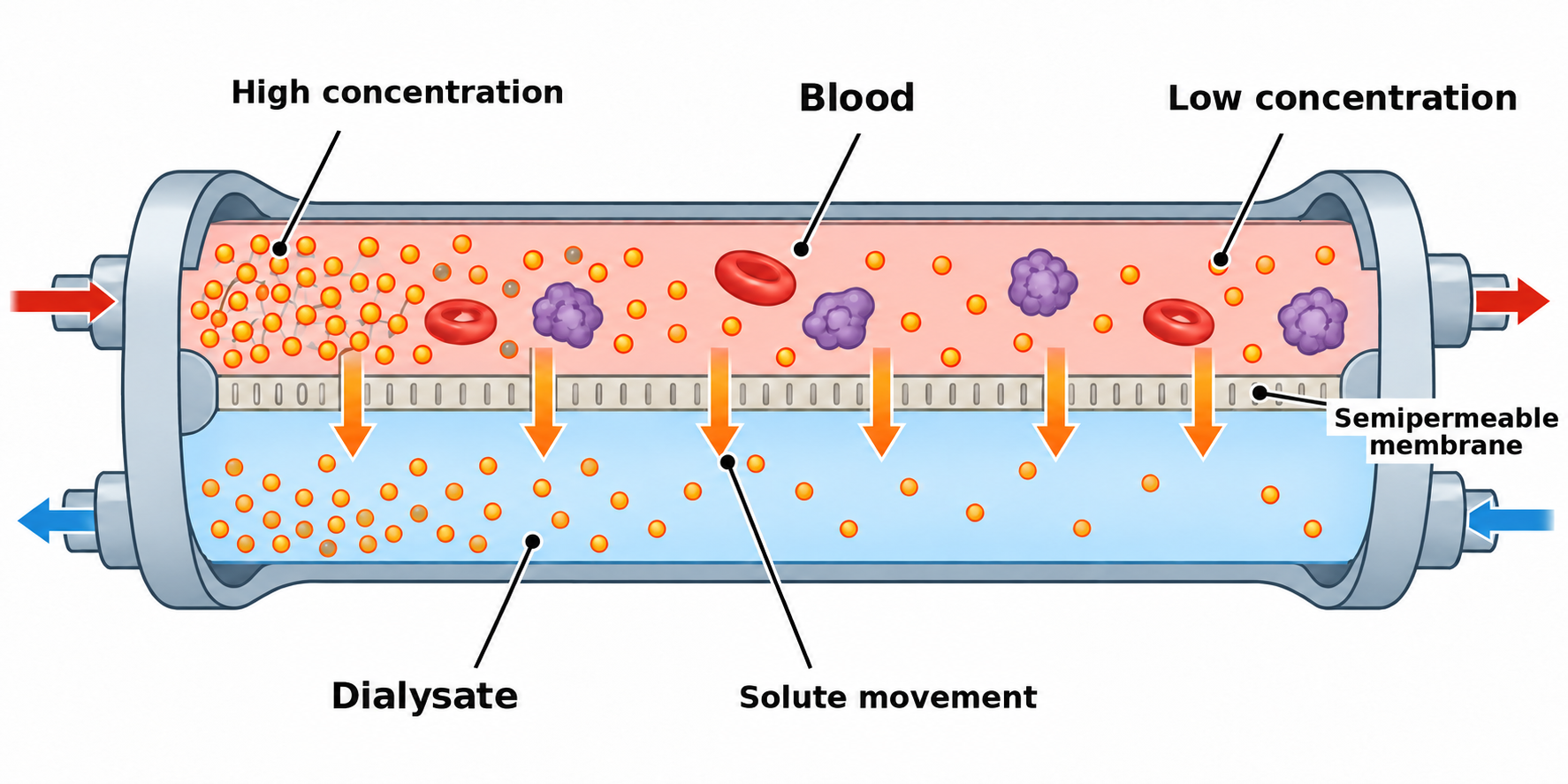
Figure 1. Diffusion: solutes move down their concentration gradient. Net movement can occur in either direction, depending on the concentration difference.
In summary: diffusion is the net movement of solutes from higher to lower concentration across a membrane. It is the principal mechanism for removing urea, creatinine, and potassium and for transferring bicarbonate from dialysate to blood when the concentration gradient favours that direction. [3–6]
The rate is influenced by the concentration gradient; membrane area, thickness, and permeability; contact time; blood and dialysate flows; and resistance in the fluid boundary layers adjacent to the membrane.
Smaller, non-protein-bound molecules generally diffuse faster. Albumin binding limits removal because only the unbound fraction directly contributes to the diffusible concentration gradient. [6]
Countercurrent blood and dialysate flow preserves a concentration gradient along the length of the dialyser and is more efficient than parallel flow.
Diffusion is not always from blood to dialysate. Concentrations on the two sides determine direction, so bicarbonate or calcium may move into the blood.
Jdiff ≈ KoA × ΔC
This is a simplified teaching equation: diffusive flux rises with membrane-area transfer capacity and the concentration difference. Actual clinical performance is also limited by blood and dialysate flows and by solute distribution within the body.
Principle 2: ultrafiltration
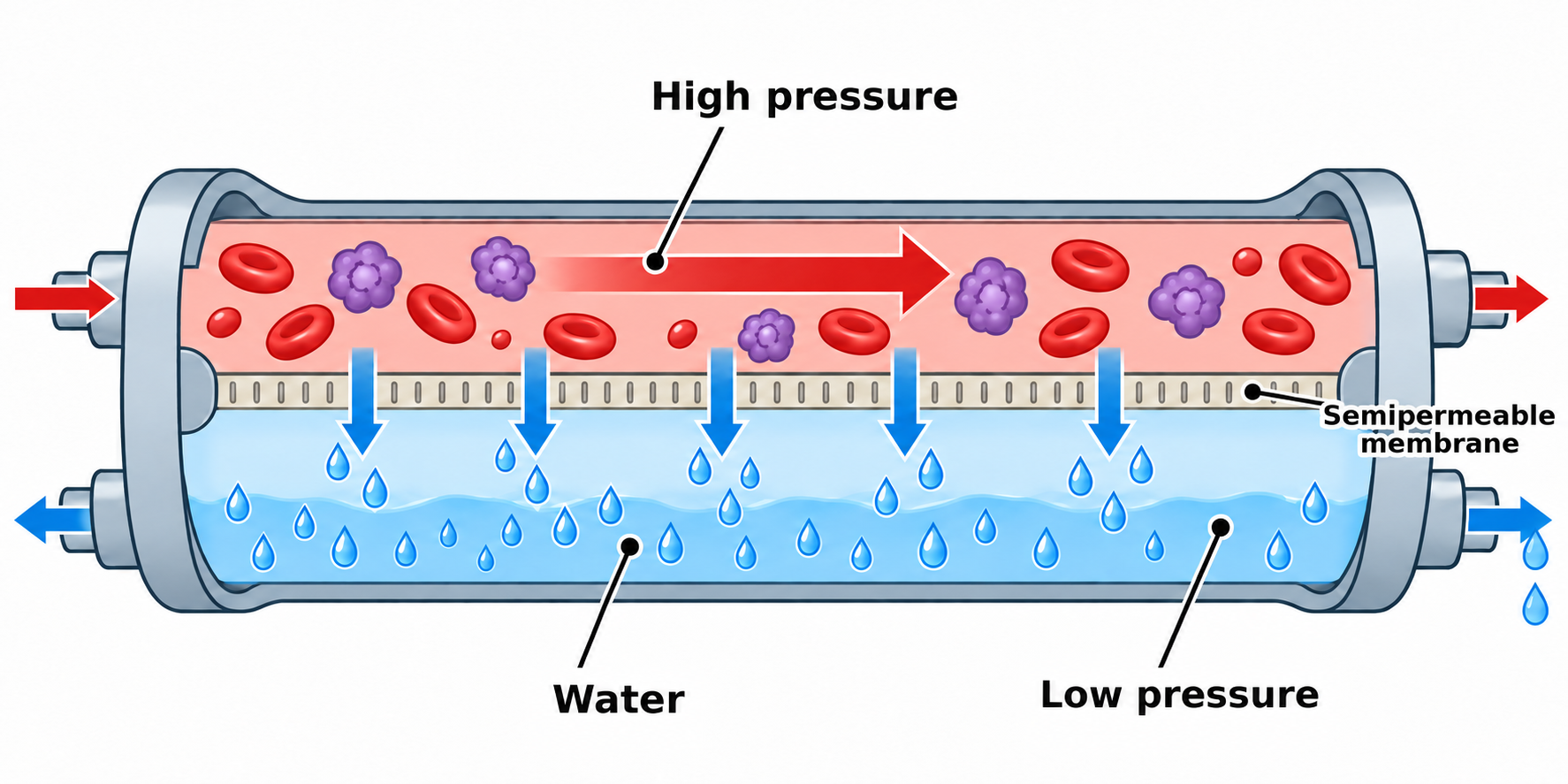
Figure 2. Ultrafiltration: a transmembrane pressure difference produces net movement of water into the effluent compartment.
In summary: ultrafiltration is water movement across the membrane driven by a pressure difference. The machine controls net removal to reach the prescribed fluid target, while vascular refill describes the movement of fluid from the tissues back into the circulation. [1,2]
The dialyser ultrafiltration coefficient KUF is commonly expressed in mL/hour/mmHg. It is a test value and cannot by itself describe the full clinical performance of a modern membrane.
Transmembrane pressure (TMP) represents the pressure difference between the blood and dialysate compartments, with additional effects from plasma oncotic pressure, concentration polarization, and membrane fouling.
Ultrafiltration describes water movement. Solute transport with that water is convection; the terms should not be used as synonyms.
QUF ≈ KUF × TMP
This is a useful approximation within an operating range. The true relationship can become nonlinear and is affected by membrane properties, blood composition, and treatment conditions.
Fluid-prescription safety: no single fluid-removal rate is suitable for everyone. KDIGO emphasizes balancing chronic volume excess against haemodynamic intolerance while considering symptoms, comorbidities, treatment time, and patient preferences. Randomized evidence for one fixed numerical threshold remains limited. [1]
Principle 3: osmosis
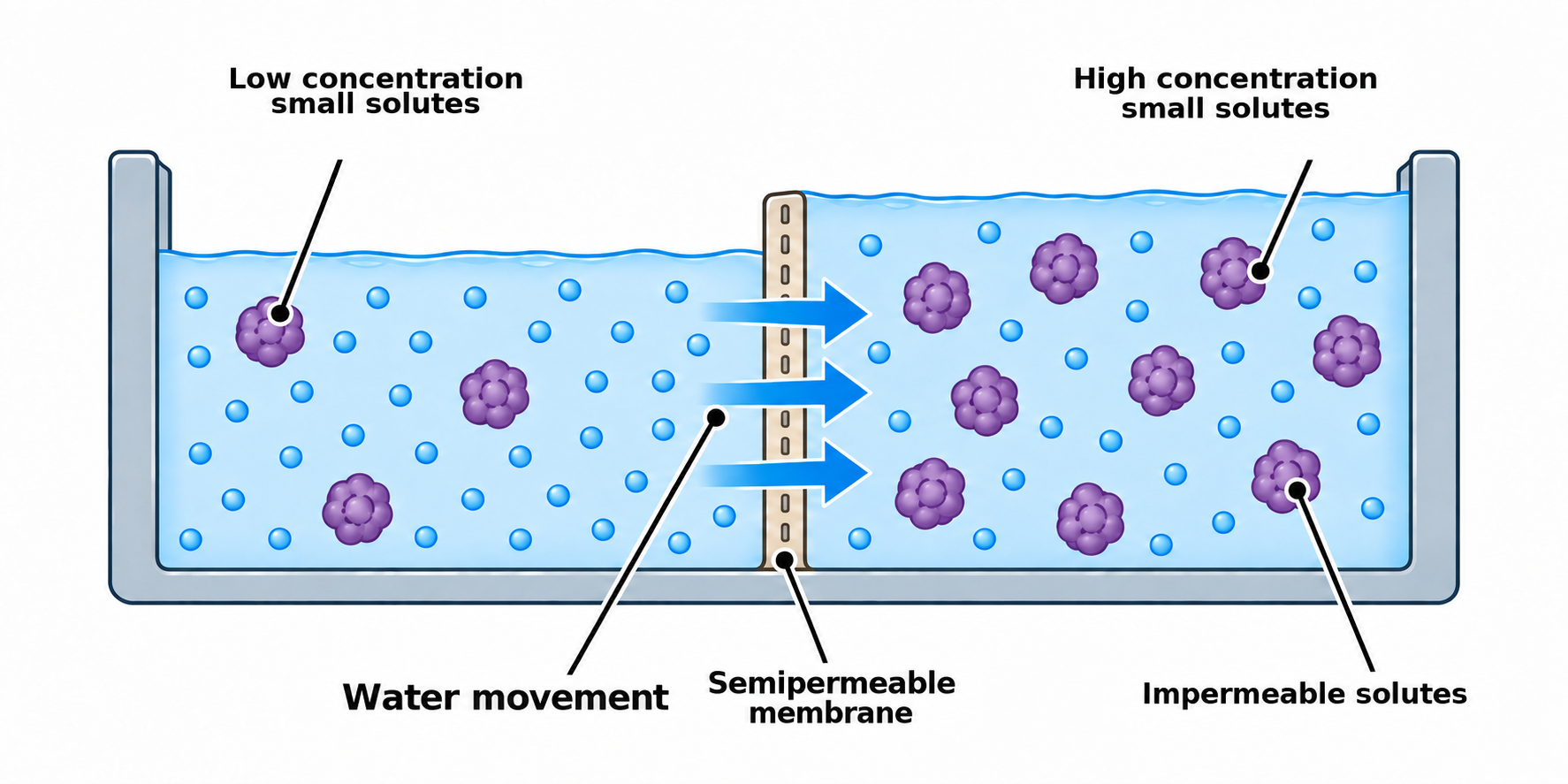
Figure 3. Osmosis: water moves toward the side with the higher concentration of effective, non-permeating solute.
In summary: osmosis is water movement across a selectively permeable membrane toward the side with higher effective osmolality. It is not “reverse diffusion”: diffusion follows solute movement, whereas osmosis follows water movement generated by a chemical-potential difference. [4,5]
Solutes must be impermeable or slowly permeable to maintain an effective osmotic gradient. A solute that crosses rapidly cannot sustain an osmotic force across that membrane.
In modern haemodialysis, controlled fluid removal depends on hydrostatic pressure and ultrafiltration, not on deliberately creating an osmotic gradient inside the dialyser.
Rapid changes in plasma osmolality during treatment can nevertheless move water between body-fluid compartments and cells. This is important in understanding dialysis disequilibrium syndrome.
Osmosis is more central to peritoneal dialysis, where glucose or icodextrin provides an osmotic force for water removal.
Correction to a common explanation: osmosis should not be described as the force that controls water removal in haemodialysis. Within a haemodialyser, net water removal is controlled by the transmembrane pressure gradient.
Principle 4: convection
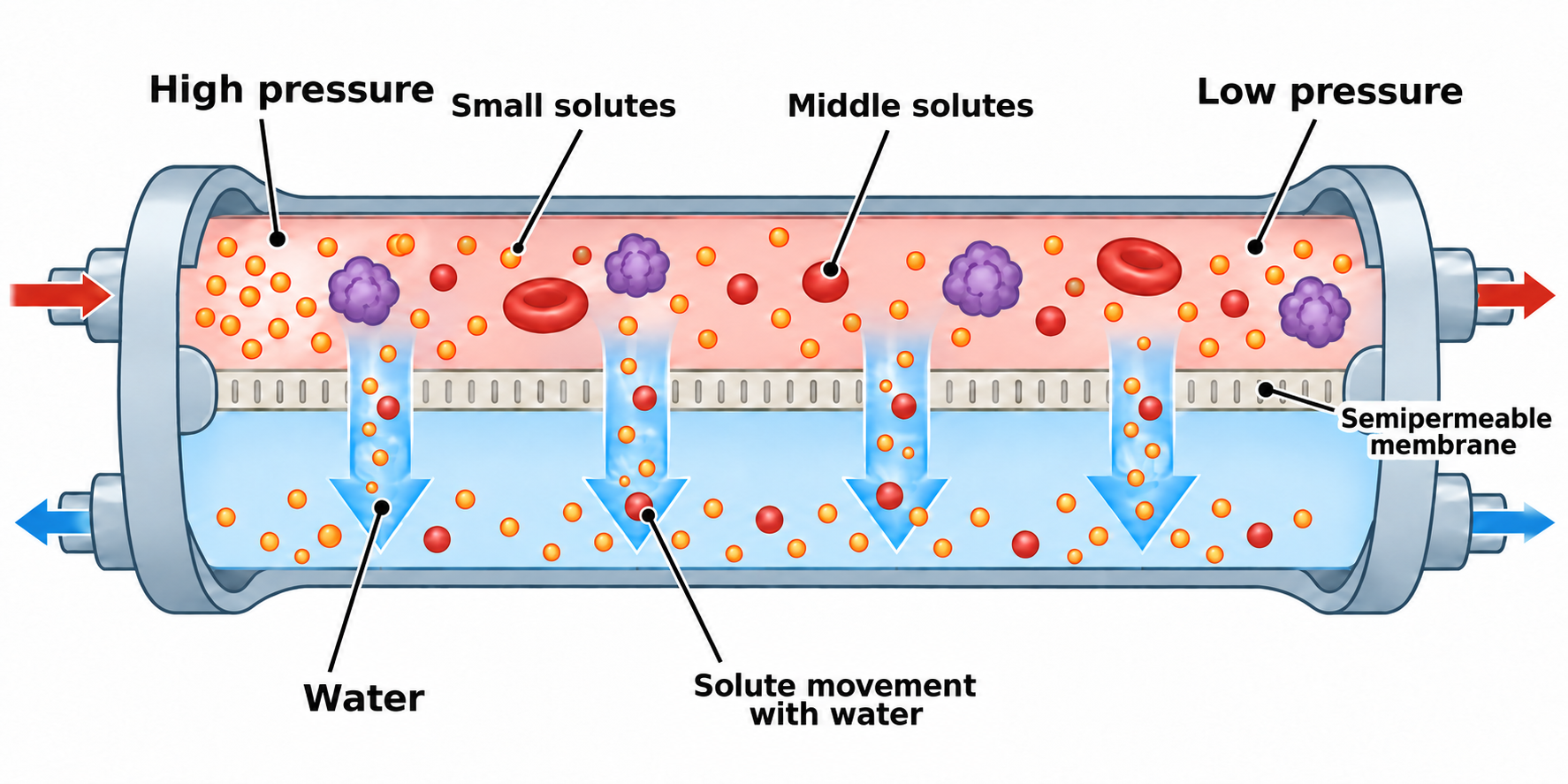
Figure 4. Convection: water flowing through the membrane carries eligible solutes with it—solvent drag.
In summary: convection is solute transport with bulk water flow across the membrane. It depends on molecular size and shape, protein binding, membrane permeability, and filtration volume. For some middle molecules it contributes more than diffusion. [3–5]
The sieving coefficient S is approximately the solute concentration in the filtrate divided by its concentration in plasma water. A value near 1 indicates almost free passage; a value near 0 indicates almost complete retention.
It is not enough to describe S as “concentration in compartment A divided by compartment B.” The filtrate, plasma water, and measurement conditions must be specified, and laboratory values may differ from clinical performance.
If a molecule is larger than the membrane cut-off or strongly bound to albumin, increasing convection will add little removal. The membrane is simultaneously designed to minimize albumin loss.
Even during high-flux HD, internal filtration and subsequent backfiltration can occur within the dialyser. Total internal convection can therefore exceed the net fluid removed from the patient.
Kconv ≈ S × QUF
This is an approximation for isolated convection. When diffusion and convection occur together in HDF, their contributions do not always add in a simple linear way.
Principle 5: haemodiafiltration
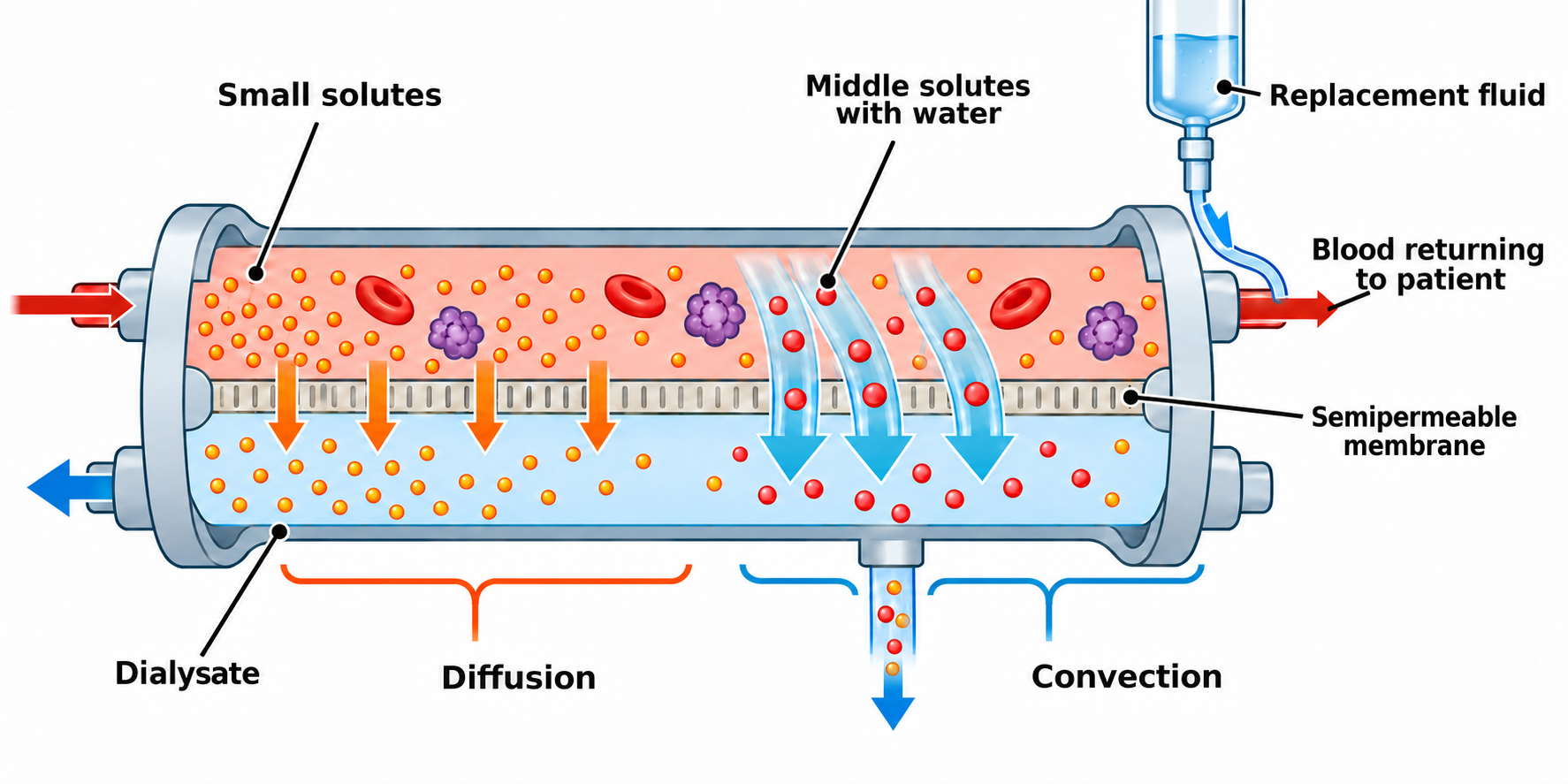
Figure 5. Online haemodiafiltration: diffusion + convection + substitution fluid, while the prescribed net fluid balance is maintained.
In summary: haemodiafiltration (HDF) combines diffusion for small-solute removal with convection to enhance the removal of selected middle molecules. A large volume of plasma water is filtered and replaced with sterile substitution fluid, so the patient’s net water removal equals the prescribed target rather than the total convective volume. [7–9]
In post-dilution HDF, substitution fluid is infused after the dialyser. In pre-dilution, it is infused before the dialyser. Each arrangement affects blood viscosity, efficiency, and the achievable convective volume.
HDF is not simply a higher rate of fluid removal from the patient. Most of the large convective volume is balanced by substitution fluid, while the clinician prescribes net water removal separately.
Conventional haemodialysis relies mainly on diffusion with some convection. Haemofiltration relies mainly on filtration and convection. HDF deliberately combines both mechanisms.
What does modern evidence show? In the randomized CONVINCE trial (1,360 participants; median follow-up 30 months), all-cause death occurred in 17.3% with high-dose HDF and 21.9% with high-flux HD; hazard ratio 0.77 (95% CI 0.65–0.93). An individual-participant-data meta-analysis of five trials (4,153 participants) reported a hazard ratio of 0.84 (0.74–0.95). These results apply to prescriptions achieving high convective volumes in selected patients and do not mean that any form of HDF is automatically superior for every patient. [7–9]
How do the principles combine in one session?
The haemodialysis machine pumps blood and dialysate through two compartments separated by a membrane. Countercurrent flow maintains the concentration gradient; diffusion removes small solutes; a pressure gradient controls net ultrafiltration; and convection carries selected solutes with water. In HDF, convection is deliberately increased and an appropriate volume of substitution fluid is added.
Practical comparison of modalities
| Modality | Diffusion | Convection | Practical note |
|---|---|---|---|
| Conventional haemodialysis | High for small molecules | Limited to moderate | Net UF equals the prescribed fluid-removal target |
| High-flux haemodialysis | High | Greater because of membrane permeability and internal filtration | Improves removal of selected middle molecules |
| Haemofiltration | Minimal or not central | Filtration is the principal mechanism | Requires substitution fluid |
| HDF | High | High and intentional | Combines both mechanisms with fluid replacement |
The boundaries are not absolute. Performance depends on the membrane, flows, time, and the convective volume actually delivered. [3–5]
Dialysate is not “just water”
Dialysate contains water treated to defined quality standards, bicarbonate, sodium, chloride, prescribed concentrations of potassium, calcium, and magnesium, and often glucose. Composition varies between patients and centres. Dialysis does not remove every substance; some electrolytes can move from dialysate into blood when the gradient points in that direction. [2,3]
Five ideas that prevent common misunderstandings
Diffusion describes solute movement; ultrafiltration describes water movement; convection describes solute movement with water.
Osmosis is not the force used to control fluid removal in haemodialysis.
A high-flux membrane is not merely a membrane with “larger holes.” Performance balances permeability, middle-molecule removal, biocompatibility, and prevention of protein loss.
A small but strongly protein-bound molecule may be removed less effectively than a larger unbound molecule; molecular mass alone does not predict clearance.
Improved laboratory solute clearance does not by itself prove better survival or quality of life. Transport mechanisms and clinical-outcome evidence must be considered separately.
References
[1] KDIGO — Flythe JE, et al. Blood pressure and volume management in dialysis. Kidney International. 2020;97:861–876. DOI: 10.1016/j.kint.2020.01.046.
[2] KDOQI/NKF — National Kidney Foundation. KDOQI Clinical Practice Guideline for Hemodialysis Adequacy: 2015 Update. American Journal of Kidney Diseases. 2015;66:884–930. DOI: 10.1053/j.ajkd.2015.07.015. This remains the latest KDOQI update dedicated to this topic. PubMed
[3] UK Kidney Association (Renal Association). Clinical Practice Guideline: Haemodialysis. 2019.
[4] Ronco C, Clark WR. Haemodialysis membranes. Nature Reviews Nephrology. 2018;14:394–410. DOI: 10.1038/s41581-018-0002-x. DOI
[5] CJASN — Mohajerani F, Clark WR, Ronco C, Narsimhan V. Mass Transport in High-Flux Hemodialysis. Clinical Journal of the American Society of Nephrology. 2022;17:749–756. DOI: 10.2215/CJN.09410721.
[6] Lee S, Sirich TL, Meyer TW. Improving Solute Clearances by Hemodialysis. Blood Purification. 2022;51(Suppl 1):20–31. DOI: 10.1159/000524512. PubMed
[7] Blankestijn PJ, et al. Effect of Hemodiafiltration or Hemodialysis on Mortality in Kidney Failure (CONVINCE). New England Journal of Medicine. 2023;389:700–709. DOI: 10.1056/NEJMoa2304820. DOI
[8] Vernooij RWM, et al. Haemodiafiltration versus haemodialysis for kidney failure. The Lancet. 2024;404:1742–1749. DOI: 10.1016/S0140-6736(24)01859-2. DOI
[9] ERA/EuDial — Battaglia Y, et al. Haemodiafiltration versus high-flux haemodialysis: a Consensus Statement. Nephrology Dialysis Transplantation. 2025;40:1590–1614. DOI: 10.1093/ndt/gfaf024. PubMed
Key points
- Diffusion moves small solutes according to a concentration difference.
- Ultrafiltration removes water through a pressure difference; convection can help remove some middle molecules.
- Clearance describes removal of a substance, but does not by itself prove that a treatment is adequate.
- Dialysis does not replace every hormonal and metabolic kidney function.